PPF and Vinyl Wrap Are Not the Same Thing
Paint protection film (PPF) is a thick, optically clear urethane film engineered to absorb rock chips, road debris, and light scratches. Vinyl wrap is a coloured or textured adhesive film used to change your vehicle's appearance. They look similar when installed, but their purpose, material, thickness, and cost are entirely different.
What Is Paint Protection Film (PPF)?
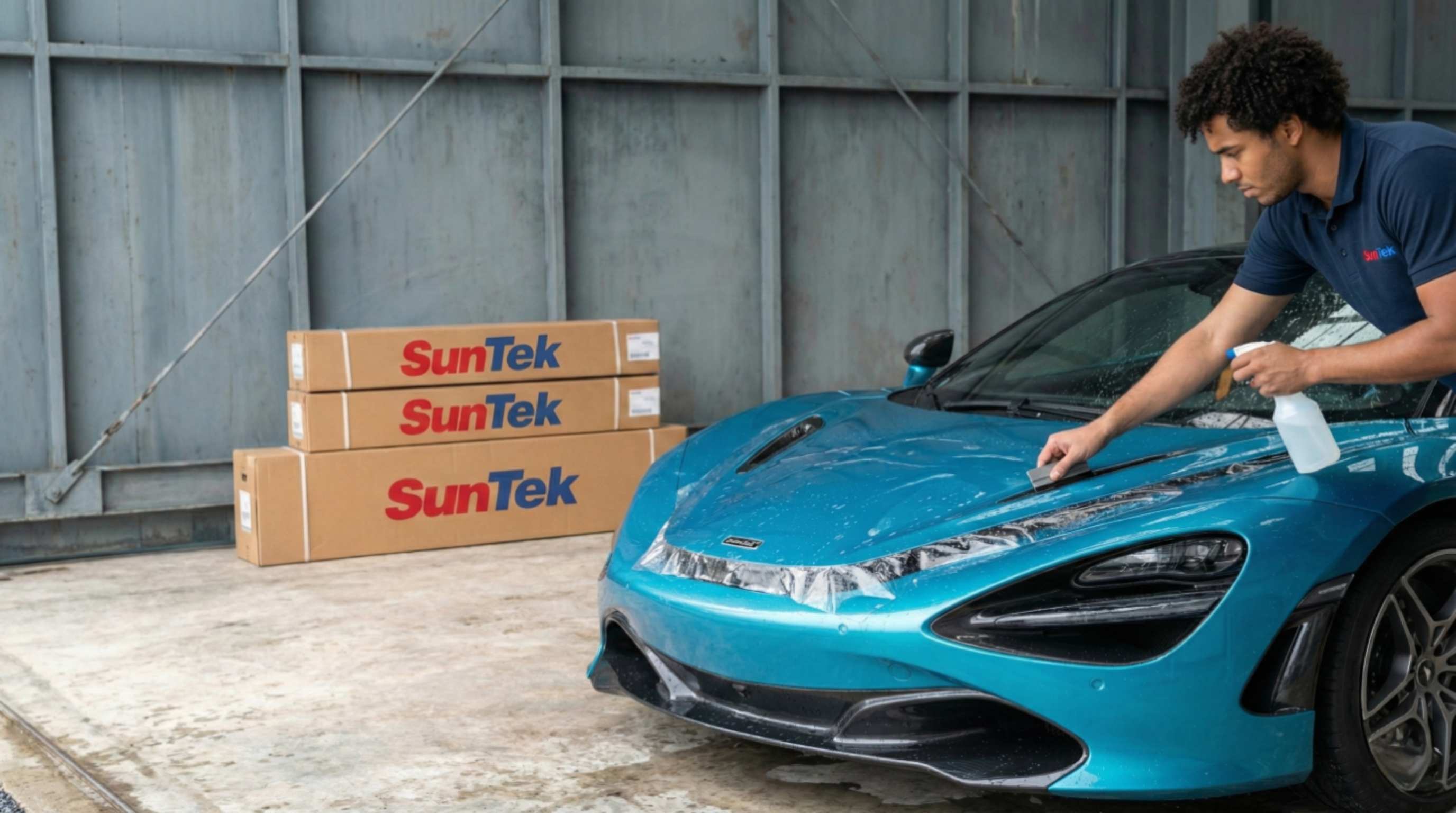
PPF is a 6-8 mil thick thermoplastic urethane film applied directly to painted surfaces to protect against physical damage. It is optically clear, does not change the look of your car, and uses self-healing technology to absorb minor scratches that disappear with heat exposure.
What PPF protects against:
- Rock chips and road debris at highway speeds
- Bug splatter etching into the clear coat
- Minor door dings and abrasions
- Bird droppings and tree sap chemical damage
- Swirl marks from car washes
PPF does not change your paint colour. After installation, your car looks identical to how it looked before — except the paint underneath is now protected.
What Is Vinyl Wrap?
Vinyl wrap is a 2-4 mil adhesive-backed film available in hundreds of colours, finishes, and textures. It is designed to change the appearance of your vehicle — colour changes, matte finishes, chrome effects, custom graphics. It offers minimal physical protection compared to PPF.
What vinyl wrap does:
- Changes your vehicle colour without repainting
- Achieves finishes not available from the factory (matte, satin, brushed metal)
- Protects original paint from minor UV fading and light surface contamination
- Is fully reversible — remove the wrap and return to factory paint
PPF vs Vinyl Wrap: Side-by-Side Comparison
| Feature | PPF | Vinyl Wrap |
|---|---|---|
| Primary purpose | Physical protection | Colour / appearance change |
| Film thickness | 6-8 mil | 2-4 mil |
| Rock chip protection | Excellent | Minimal |
| Self-healing | Yes (heat-activated) | No |
| Changes appearance | No (clear) | Yes (any colour) |
| Reversible | Yes | Yes |
| Lifespan | 7-10 years | 3-5 years |
| Cost (full vehicle) | Higher | Lower |
| Best for | High-value paint preservation | Custom look on any budget |
When to Choose PPF
PPF is the right choice when your priority is preserving the condition and value of your vehicle's original paint. Choose PPF if:
- You drive on highways regularly where rock chips are a constant risk
- Your vehicle has a high-value factory paint colour (special order, limited edition)
- You plan to resell the vehicle and want to maintain paint condition for trade-in value
- You own a luxury or exotic vehicle where a single stone chip repair costs hundreds of dollars
- You want maximum protection on the front end (hood, bumper, fenders) which takes the most debris
When to Choose Vinyl Wrap
Vinyl wrap is the right choice when you want to change how your car looks without a permanent paint job. Choose vinyl wrap if:
- You want a colour or finish not available from the factory
- You want a reversible change that preserves the original paint underneath
- You are leasing the vehicle and cannot permanently modify it
- You want to advertise your business on your vehicle
- Your budget is lower but you still want a dramatic visual transformation
Can You Use Both?
Yes — and many of our customers do. A common combination is PPF on the high-impact areas (full front bumper, hood, fenders, door edges, side mirrors) and vinyl wrap over the entire vehicle for a custom colour. The PPF goes on first, directly on the paint. The vinyl wrap goes over the PPF. This gives you both physical protection and a custom appearance, while keeping the original paint completely untouched underneath.
What TintGTA Installs
We install premium PPF on vehicles of all types at our Scarborough shop, serving North York and the GTA. Our partial front packages start with the highest-impact zones — hood, bumper, and fenders — and scale up to full vehicle coverage for maximum protection. We cut all films using precision plotters so every piece fits exactly to your vehicle's panel geometry with no visible seams.