The Specific Threats Toronto Winter Poses to Your Vehicle
Toronto winters create four distinct threats to your vehicle: road salt corrosion on paint and undercarriage, freeze-thaw cycles cracking untreated clear coat, reduced battery performance in sub-zero temperatures, and low-visibility conditions from fog, frost, and precipitation. Each requires a different approach.
Road Salt and Paint Damage
The City of Toronto applies roughly 130,000 tonnes of road salt annually. Salt accelerates oxidation on bare metal and etches into clear coat when left on painted surfaces for extended periods. The front bumper, hood leading edge, fenders, and rocker panels take the most direct salt spray.
The most effective defence: Paint protection film (PPF) on high-impact panels. PPF creates a sacrificial layer between the salt-laden debris and your paint. After winter, the film cleans easily and the paint underneath is in the same condition as when you installed it.
If PPF is not in your budget this season, at minimum wash your vehicle every 7-10 days during the salt season, paying particular attention to the undercarriage. Salt that sits on paint for more than two weeks begins causing measurable damage.
Cold Starts and Battery Drain
A lead-acid car battery loses approximately 35% of its cranking power at -18°C. At -30°C, it loses 60%. Most Toronto winters regularly see temperatures below -15°C for weeks at a time. A battery that is marginal in summer will fail completely in January.
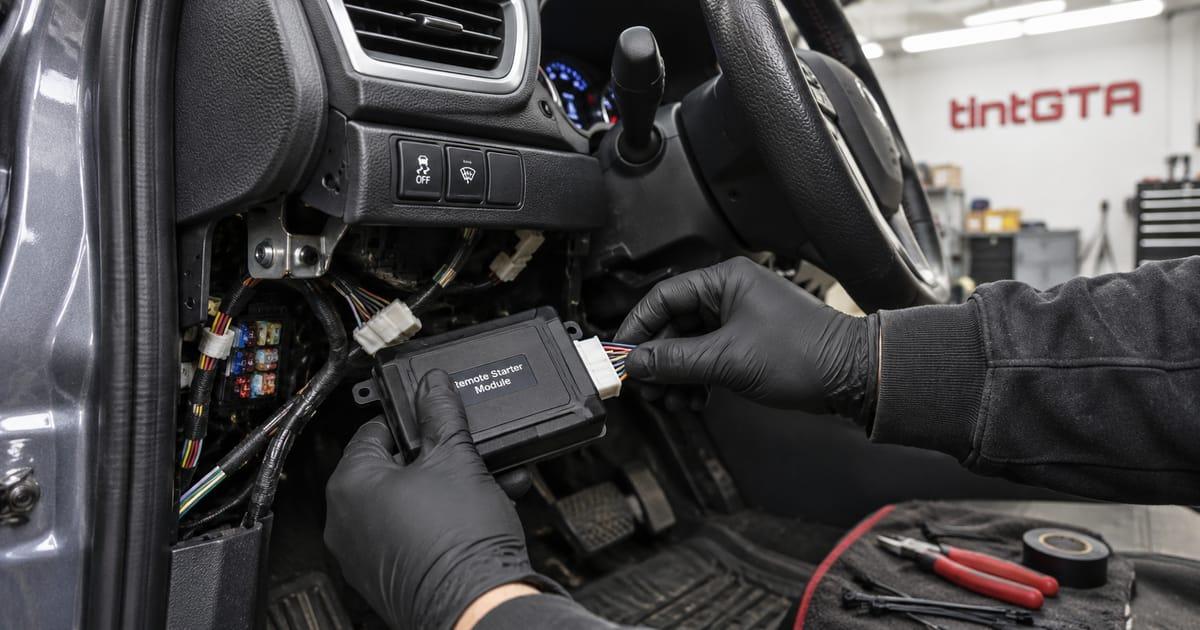
Remote starters extend battery life by warming the engine and allowing the alternator to charge the battery before you put a load on it with lights, heat, and wipers. More importantly, they eliminate the strain of extended cold cranking on a cold-soaked engine.
Have your battery tested before November. If it reads below 600 CCA (cold cranking amps) or shows more than 3 years of use, replace it before it fails in the cold.
Remote Starters: Worth It in Toronto
A remote starter in a Toronto winter is not a luxury — it is a practical tool. Beyond the obvious comfort of entering a warm vehicle, the benefits include:
- Engine oil circulates before driving, reducing wear on cold-start
- Defroster clears windshield before you leave, improving visibility
- Cabin reaches operating temperature faster, improving HVAC performance
- Reduces the manual scraping time required every morning
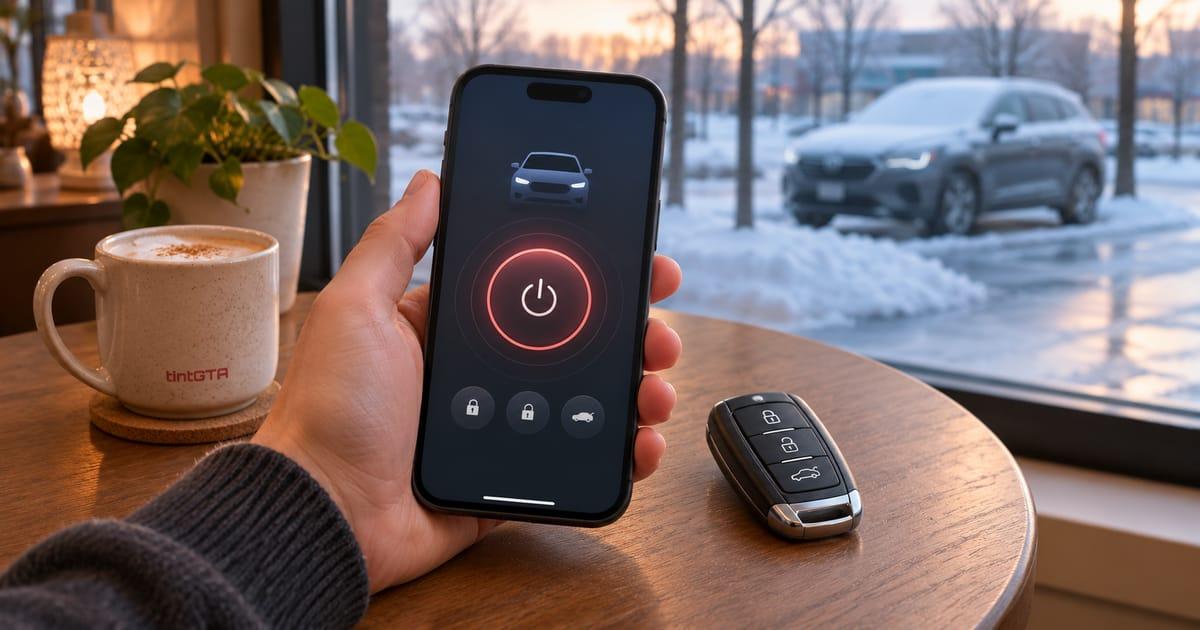
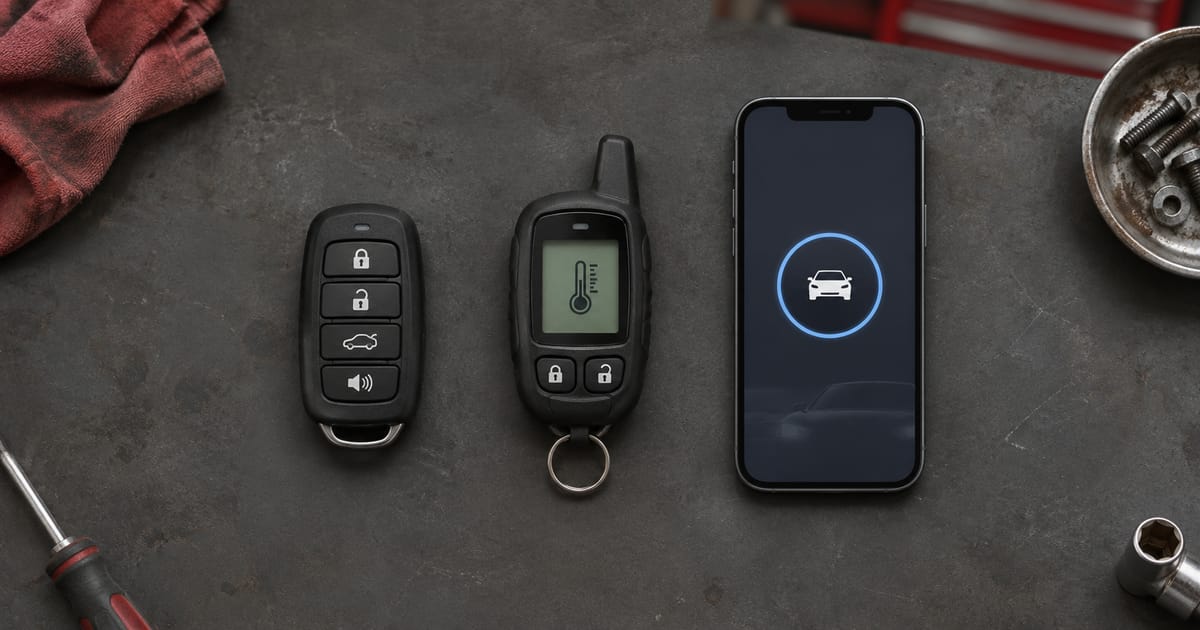
Modern systems like Compustar allow you to start your car from your phone via the DroneMobile app, monitor vehicle status remotely, and integrate with factory key fobs on most 2010+ vehicles.
Window Tinting for Winter
Most people think of window tint as a summer upgrade for heat rejection. It is equally valuable in winter. Quality window film retains interior heat more effectively by reducing the rate of heat loss through glass. A vehicle with tinted windows warms up noticeably faster after a cold start because the glass is not leaching interior heat as quickly.
Ceramic tint films also reduce glare from low winter sun and reflections off snow and ice — conditions that are particularly dangerous in Toronto's east-west corridors in late afternoon.
Windshield Care
Never pour hot or warm water on a frosted windshield. The rapid thermal shock causes micro-fractures in the glass that progress into full cracks over subsequent freeze-thaw cycles. Use a proper ice scraper or start the vehicle and let the defroster work.
Switch to a -40°C rated windshield washer fluid before November. Standard summer fluid freezes in the nozzles and reservoir. Top up your reservoir before each significant cold spell.